
EXCLUSIVE
> TIPS & TRICKS
"Who Pays for Mold Removal in Texas? Comprehensive Guide for Homeowners, Renters and Landlords"
Ever stumbled upon a patch of mold hiding in the corners of your property? It's a sight no one wants to see. In Texas hot climate, this unwelcome guest can be more than just an ugly blot on your beautiful home - it can pose serious health risks! But who picks up the tab when it comes to inspecting and dealing with mold?

EMMA TANNER |⏱3 Minutes
Share article:

EMMA TANNER
⏱3 Minutes
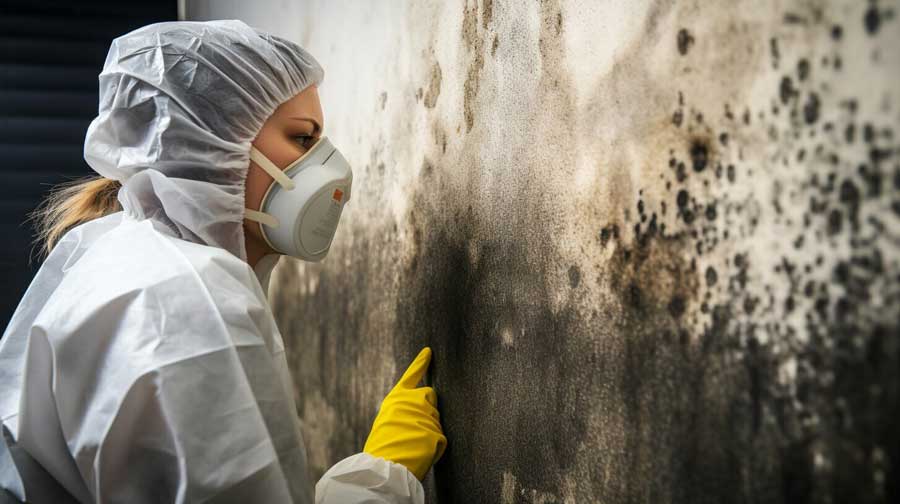
This question often leaves homeowners, renters and landlords scratching their heads. This comprehensive guide is here to clear the air on this matter, providing critical insights into the responsibilities and costs associated with mold inspection in the Sunshine State.
Understanding Mold and Its Impact
Mold, a type of fungus that flourishes in damp environments, is more than just an unsightly nuisance. It has the ability to proliferate rapidly throughout a property if not dealt with promptly, transforming a minor issue into a widespread problem.
The presence of mold isn't merely a cosmetic issue; it's a serious health hazard. Different types of molds produce substances known as mycotoxins, which can be harmful or even toxic when humans or pets are exposed to them. These toxins can cause a wide array of health issues, ranging from mild to severe.
At the milder end of the spectrum, exposure to mold can trigger allergic reactions in sensitive individuals. Symptoms may include sneezing, itching, skin rash, and red or watery eyes. More significantly, for those with respiratory conditions such as asthma, mold exposure can induce attacks, making it difficult to breathe.
In more serious cases, particularly with prolonged exposure to certain types of toxic mold, the effects can be far more damaging. These can include chronic lung illnesses, neurological problems, and in rare instances, death.
Moreover, certain types of mold like Stachybotrys chartarum, commonly known as black mold, are infamous for their potential to cause severe health problems. This underlines the importance of professional mold testing, which can help identify the type of mold present and guide appropriate remediation actions.
Given these potential risks, it's crucial to detect and address mold at the earliest signs of its presence. If you suspect a mold problem in your property, consider reaching out to a licensed mold inspector in Texas for comprehensive mold testing and indoor air quality testing. This can help ensure your property is safe and healthy for all its inhabitants.

Take the first step towards Mold Free Life – schedule your free virtual mold inspection today and say goodbye to mold-related health problems for good!
The Cost of Mold Inspection and Removal in Texas
The cost of traditional mold inspection in Texas can vary widely, typically ranging from $800 to $1,500, depending on factors such as the size of the property and the extent of the mold infestation. While our Virtual mold inspection provides all the benefits of a traditional inspection, without a hassle and costs $0.
Dealing with mold can be costly and quickly add up to thousands of dollars-even tens of thousands of dollars for large projects. So who is responsible for paying for mold remediation?
Who Pays for Mold Remediation?
The responsibility for paying for mold remediation services depends on whether you are a:
🔸Homeowner
🔸Renter
🔸Landlord
If You’re a Homeowner
The responsibility for mold remediation hinges on the root cause of the mold. Typically, homeowner insurance covers mold resulting from a "covered peril," which refers to sudden or accidental events specified in your policy. Common scenarios include:
● Water damage from burst pipes
● Malfunctioning water heaters
● Plumbing leaks Roof leak
● Water damage from firefighting efforts
In such cases, you can file a mold claim. It's crucial not to attempt cleanup yourself; first call the Texas Licensensed Mold Removal Company and then insurance company needs to send a claims adjuster to assess the mold damage.
If your claim is approved, your insurance covers mold remediation. Most policies limit payments to $10,000.
If You’re a Renter
As a renter, your responsibility for mold remediation costs typically depends on whether the mold resulted from your actions or negligence. Here's a breakdown:
● Your Responsibility: You're accountable if the mold stemmed from your negligence, like failing to report leaks or address moisture issues promptly.
● Preventative Measures: Renters should take basic precautions to prevent mold, including cleaning spills promptly, ventilating humid areas, and reporting leaks promptly.
● Landlord's Responsibility: In most cases, landlords are responsible for mold remediation resulting from accidents, structural issues, or reported plumbing problems left unresolved.
● Taking Action: If you notice mold growth and is confirmed by Mold Removal Company, report it to your landlord promptly. They're obliged to remediate it within a reasonable timeframe. If they fail to act, you can file a complaint for housing maintenance issues, prompting an investigation.
If You’re a Landlord
Landlords are obligated to maintain mold-free properties, as per Texas Local Law of 2018 and the "warranty of habitability" under Property Law. However, this responsibility doesn't always entail covering mold remediation expenses. If mold arises due to tenant negligence, such as poor ventilation or unreported plumbing issues, tenants may be liable for remediation costs, deductible from their security deposit. Landlord insurance coverage for mold remediation varies. While some policies exclude fungi or bacteria issues, additional mold coverage may be purchasable as an add-on. If mold results from a covered issue like accidental flooding, insurance may cover remediation alongside other repairs. To confirm type and reason for Mold Growth schedule Virtual Mold Inspection with us as soon as possible!

Discover the truth about mold toxicity and its impact on your health – claim your Free Virtual Mold Inspection now and let us help you!
Conclusion
Understanding who is responsible for covering the cost of mold inspection and mold removal in Texas can be complex, with numerous factors at play. All homeowners, renters and landlords must stay vigilant about potential mold problems and understand their legal responsibilities. If you're unsure about any aspects of this issue, it's always best to consult with a licensed mold inspector in Texas for personalized advice!
FAQ – Frequently Asked Questions About Mold Toxicity
Indoor mold can pose a serious health threat to humans and animals alike. Mold typically thrives in damp and humid environments, making bathrooms, laundry rooms, and basements common locations for mold growth.
Exposure to mold can lead to a variety of health issues, from mild allergies to severe respiratory problems. In fact, according to the Centers for Disease Control and Prevention, prolonged exposure to mold can cause asthma or other breathing difficulties, as well as neurological and immune system issues. Additionally, certain types of mold can produce mycotoxins, which can be harmful if ingested or inhaled. To protect your health and prevent mold growth, it's important to address any moisture issues in your home promptly and consistently.
Indoor mold may not always be visible to the naked eye, but it can still pose a serious threat to your health and the structural integrity of your home. The presence of mold can cause respiratory issues, allergic reactions, and even chronic illnesses. This is why it's crucial to conduct regular indoor mold testing to ensure that your home is safe for you and your family. Mold testing can help identify the exact type of mold present in your home and determine the appropriate course of action for removing it, so give us a call today! Whether you're purchasing a new home or just want to ensure the safety of your current living space, indoor mold testing is a simple yet invaluable step in maintaining a healthy and mold-free environment.
Some of the most common symptoms of mold exposure include sneezing, coughing, a runny nose, and sore throat. People with asthma may experience worsening asthma symptoms such as wheezing and difficulty breathing. Individuals with a weakened immune system, such as those undergoing chemotherapy or with HIV, may experience more severe symptoms, including fever and lung infections.
If you suspect that you have mold in your home, it's essential to address the situation immediately to prevent further exposure and potential health issues. Contact us to schedule an inspection today! The presence of mold can cause respiratory issues, allergic reactions, and even chronic illnesses. This is why it's crucial to conduct regular indoor mold testing to ensure that your home is safe for you and your family. Mold testing can help identify the exact type of mold present in your home and determine the appropriate course of action for removing it. Whether you're purchasing a new home or just want to ensure the safety of your current living space, indoor mold testing is a simple yet invaluable step in maintaining a healthy and mold-free environment.
We don’t recommend cleaning up mold yourself due to the possible health problems related to mold spore inhalation, so leave mold removal to the professionals. The process of cleaning up mold can also be very complicated if we need to access your crawlspace of break through infested dry wall. Our mold removal team can also provide superior odor remediation to eliminate the smell, which can also be hard to do by yourself. We value your health over all else, and mold poses a serious health risk which can lead to respiratory problems more severe problems. We bring the necessary safety equipment and tools to help you.
If you smell a moldy odor or see signs of mold, you call us for the best mold removal services.
Typical homeowner insurance and flood insurance will cover mold removal if the spores started as part of a disaster that is already covered under the policy. If the mold issue was preexisting, it likely will not be covered under most policies. We will work with your insurance company to get you the best price possible and we will help explain any policy terms that are unfamiliar to you. Our first priority is providing a fresh start to the customer, so we do our best to explain every element of the restoration job and keep you informed of your best options. Call us for superior customer service in mold remediation!









Subscribe to our weekly newsletter and learn how to keep your home Mold Free.
© 2024 All Rights Reserved