
EXCLUSIVE
> MEDICAL REPORT
"Furry Friends in Danger: The Terrifying Impact of Toxic Mold on Your Beloved Dog's Well-being!"
Mold poses serious health risks to dogs, causing respiratory issues, skin reactions, and neurological problems. Toxic mold species like Aspergillus, Stachybotrys, and Penicillium are particularly harmful, leading to various health complications. If you suspect your home has mold, it's crucial to take action and have a professional mold inspection!

EMMA TANNER |⏱3 Minutes
Share article:

EMMA TANNER
⏱3 Minutes
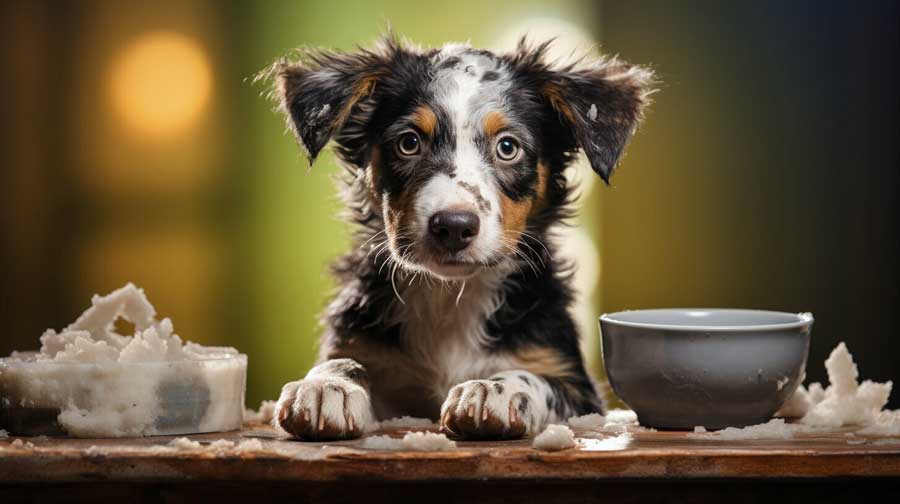
Understanding the Risks of Mold for Dogs
Mold is not just a concern for humans; it can pose significant health risks to our furry companions as well. As a responsible pet owner, it's essential to grasp the dangers of mold exposure and take proactive steps to protect your dog's health. In this comprehensive guide, we'll delve deeper into the various aspects of mold exposure and its effects on dogs, empowering you to safeguard your canine friend from potential harm.
The Impact of Mold Exposure on Dogs
Mold, a type of fungus thriving in damp and humid environments, can wreak havoc on a dog's health when ingested, inhaled, or even when it comes into contact with their skin. Unlike humans, who may recognize and avoid moldy areas, dogs may inadvertently consume or interact with mold during their everyday activities, making them particularly vulnerable to its adverse effects.
Identifying Toxic Mold Species
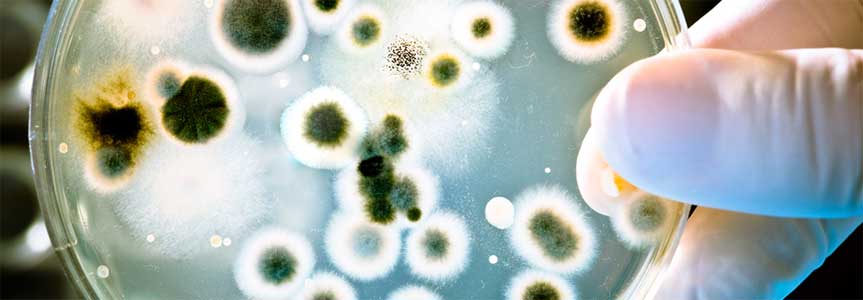
Not all molds are created equal when it comes to their toxicity to dogs. Certain species, such as Aspergillus, Stachybotrys, and Penicillium, are known to produce mycotoxins that can trigger a range of health issues in dogs. These molds often thrive in specific environments, including damp soil, water-damaged materials, and even pet food, presenting hidden dangers to our canine companions.
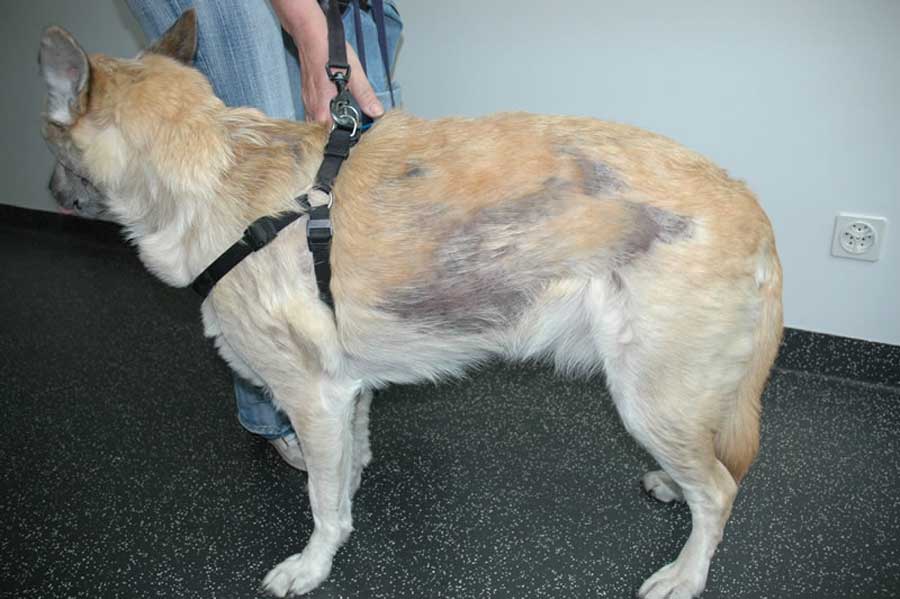
Take the first step towards healthier dog and safe home – schedule your free virtual mold inspection today and say goodbye to mold!
Recognizing Symptoms of Mold Poisoning
Detecting mold poisoning in dogs can be challenging, as symptoms may vary depending on the type of mold, the duration of exposure, and the individual dog's health. Common signs of mold toxicity in dogs include respiratory distress, gastrointestinal upset, skin irritation, lethargy, and neurological abnormalities. Recognizing these symptoms early on is crucial for initiating prompt veterinary intervention and mitigating potential complications.
Health Risks and Complications
Mold exposure can lead to a myriad of health risks and complications in dogs, ranging from mild allergic reactions to severe respiratory infections and organ damage. Dogs with compromised immune systems, such as senior dogs or those with pre-existing health conditions, are especially susceptible to the adverse effects of mold exposure. Prolonged or repeated exposure to mold spores can exacerbate existing health issues and significantly impact a dog's quality and length of life.
Preventive Measures for Pet Owners
Preventing mold exposure in dogs requires a multifaceted approach that encompasses environmental management, regular monitoring, and proactive intervention. Pet owners can take several preventive measures to minimize their dog's risk of mold-related health issues, including:
● Keeping living spaces dry, well-ventilated, and free from excess moisture.
● Regularly cleaning and inspecting pet food and water bowls, bedding, and toys for mold growth.
● Monitoring their dog's health for any signs of respiratory distress, gastrointestinal upset, or skin irritation.
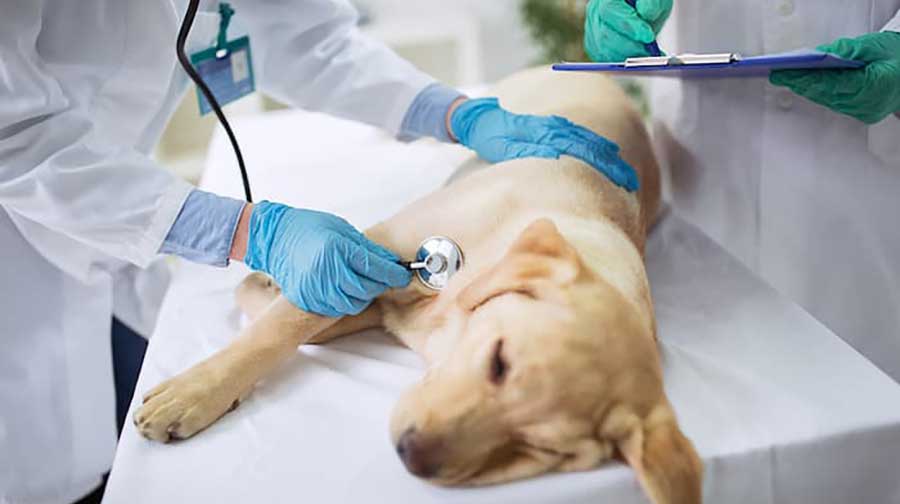
● Seeking veterinary attention promptly if mold exposure is suspected, to facilitate timely diagnosis and treatment.
● Implementing proper hygiene practices and mold prevention strategies to create a safe and healthy living environment for their canine companions.
Stop mold in its tracks and save your hair! Click to claim your free virtual mold inspection and take the first step towards healthier hair.
Identifying and Addressing Mold in Homes
Detecting mold in homes requires vigilance and thorough inspection of common areas prone to mold growth, such as basements, bathrooms, and HVAC systems. Pet owners should be proactive in identifying and addressing mold issues promptly to minimize their dog's exposure to harmful mold spores. Utilizing mold testing kits, consulting with professional mold remediation services, and adopting preventive maintenance measures can help pet owners effectively manage mold in their homes and protect their beloved pets from potential health risks.
Conclusion
By understanding the risks associated with mold exposure, recognizing the signs of mold poisoning, and implementing preventive measures, pet owners can take proactive steps to safeguard their dog's health and well-being, this includes regular mold inspection and cleaning of your home. Through diligence, education, and collaboration with mold inspectors and veterinary professionals, we can create a safer environment for our four-legged friends and ensure they lead happy, healthy lives free from the dangers of mold.
Discover the truth about mold toxicity and its impact on your and your pets health – claim your free virtual mold inspection now!
FAQ – Frequently Asked Questions About Mold Toxicity
Indoor mold can pose a serious health threat to humans and animals alike. Mold typically thrives in damp and humid environments, making bathrooms, laundry rooms, and basements common locations for mold growth.
Exposure to mold can lead to a variety of health issues, from mild allergies to severe respiratory problems. In fact, according to the Centers for Disease Control and Prevention, prolonged exposure to mold can cause asthma or other breathing difficulties, as well as neurological and immune system issues. Additionally, certain types of mold can produce mycotoxins, which can be harmful if ingested or inhaled. To protect your health and prevent mold growth, it's important to address any moisture issues in your home promptly and consistently.
Indoor mold may not always be visible to the naked eye, but it can still pose a serious threat to your health and the structural integrity of your home. The presence of mold can cause respiratory issues, allergic reactions, and even chronic illnesses. This is why it's crucial to conduct regular indoor mold testing to ensure that your home is safe for you and your family. Mold testing can help identify the exact type of mold present in your home and determine the appropriate course of action for removing it, so give us a call today! Whether you're purchasing a new home or just want to ensure the safety of your current living space, indoor mold testing is a simple yet invaluable step in maintaining a healthy and mold-free environment.
Some of the most common symptoms of mold exposure include sneezing, coughing, a runny nose, and sore throat. People with asthma may experience worsening asthma symptoms such as wheezing and difficulty breathing. Individuals with a weakened immune system, such as those undergoing chemotherapy or with HIV, may experience more severe symptoms, including fever and lung infections.
If you suspect that you have mold in your home, it's essential to address the situation immediately to prevent further exposure and potential health issues. Contact us to schedule an inspection today! The presence of mold can cause respiratory issues, allergic reactions, and even chronic illnesses. This is why it's crucial to conduct regular indoor mold testing to ensure that your home is safe for you and your family. Mold testing can help identify the exact type of mold present in your home and determine the appropriate course of action for removing it. Whether you're purchasing a new home or just want to ensure the safety of your current living space, indoor mold testing is a simple yet invaluable step in maintaining a healthy and mold-free environment.
We don’t recommend cleaning up mold yourself due to the possible health problems related to mold spore inhalation, so leave mold removal to the professionals. The process of cleaning up mold can also be very complicated if we need to access your crawlspace of break through infested dry wall. Our mold removal team can also provide superior odor remediation to eliminate the smell, which can also be hard to do by yourself. We value your health over all else, and mold poses a serious health risk which can lead to respiratory problems more severe problems. We bring the necessary safety equipment and tools to help you.
If you smell a moldy odor or see signs of mold, you call us for the best mold removal services.
Typical homeowner insurance and flood insurance will cover mold removal if the spores started as part of a disaster that is already covered under the policy. If the mold issue was preexisting, it likely will not be covered under most policies. We will work with your insurance company to get you the best price possible and we will help explain any policy terms that are unfamiliar to you. Our first priority is providing a fresh start to the customer, so we do our best to explain every element of the restoration job and keep you informed of your best options. Call us for superior customer service in mold remediation!






Subscribe to our weekly newsletter and learn how to keep your home Mold Free.
© 2024 All Rights Reserved