
EXCLUSIVE
> MEDICAL REPORT
"Liver in Danger: The Terrifying Impact of Toxic Mold on Your Liver"
Wondering about toxic mold's impact on liver health? This article delves into the connection between exposure to toxic mold and liver problems. We'll explore how toxic mold enters the body, its symptoms, effects on the liver, prevention methods, and treatment options.

EMMA TANNER |⏱3 Minutes
Share article:

EMMA TANNER
⏱3 Minutes
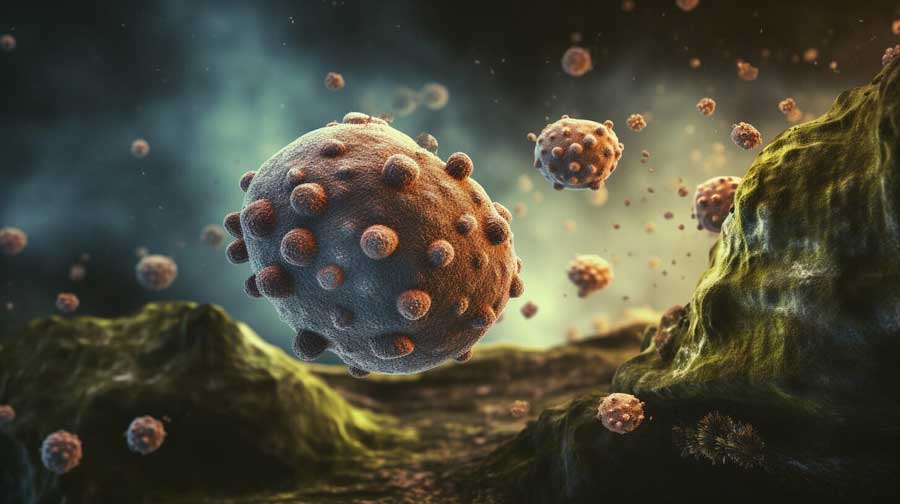
Exploring the Link Between Toxic Mold and Liver Health
Have you ever wondered about the potential impact of toxic mold on liver health? It's a common concern among many individuals, given the prevalence of mold in various environments. In this comprehensive exploration, we'll delve into the intricate relationship between toxic mold exposure and liver function, shedding light on its mechanisms and implications.
Understanding Toxic Mold
Toxic mold, characterized by its production of mycotoxins, poses a significant health risk to humans and animals alike. Mycotoxins are potent toxins that can lead to a spectrum of health issues, ranging from respiratory problems and allergies to more severe conditions such as liver damage. Recognizing the presence of toxic mold in our surroundings is crucial for safeguarding our well-being.
How Toxic Mold Enters the Body
The pathways through which toxic mold infiltrates the body are diverse, reflecting its pervasive nature. Inhalation of mold spores is a primary mode of exposure, with these microscopic particles infiltrating the respiratory system and potentially causing a cascade of health problems. Additionally, ingestion of mycotoxin-contaminated food or water can lead to direct exposure, highlighting the multifaceted nature of the risk posed by toxic mold.
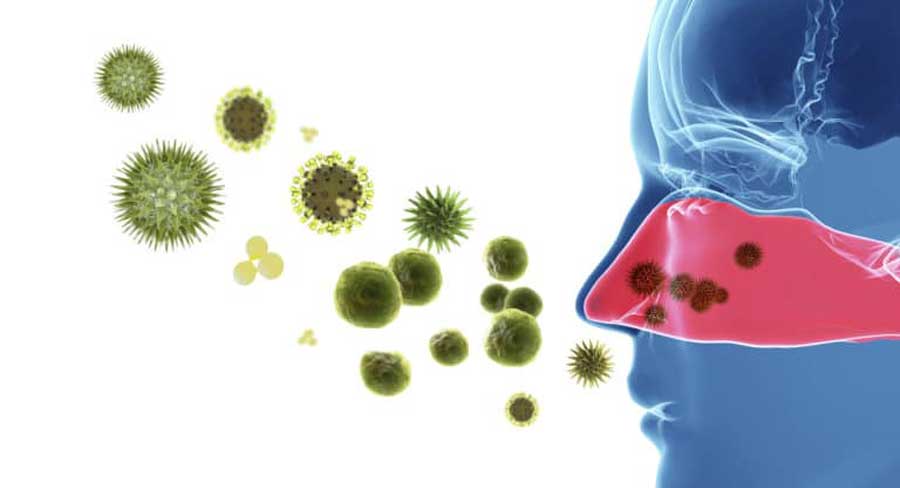
Take the first step towards healthier liver and safe home – schedule your free virtual mold inspection today and say goodbye to mold!
Impacts on Liver Health
Of particular concern is the profound effect toxic mold can have on liver function. Mycotoxins, once introduced into the body, can disrupt the intricate processes of liver detoxification, overwhelming its capacity to neutralize harmful substances. Consequently, liver damage and dysfunction may ensue, manifesting as a range of symptoms from jaundice to abdominal discomfort. Understanding these mechanisms underscores the importance of proactive measures to mitigate the risks associated with toxic mold exposure.
Protecting Your Liver
Fortunately, there are steps individuals can take to safeguard their liver health amidst the threat of toxic mold. Proactive measures such as controlling moisture levels in indoor environments and promptly addressing any signs of mold growth can significantly reduce exposure risks. Furthermore, supporting liver function through a balanced diet rich in antioxidants and regular exercise can bolster the body's resilience against potential damage.
Seeking Medical Attention
In cases where exposure to toxic mold is suspected, prompt medical attention is imperative. Early intervention can aid in the diagnosis and management of liver-related symptoms, mitigating the potential for long-term complications. Healthcare professionals play a vital role in guiding individuals through appropriate treatment strategies tailored to their unique circumstances.
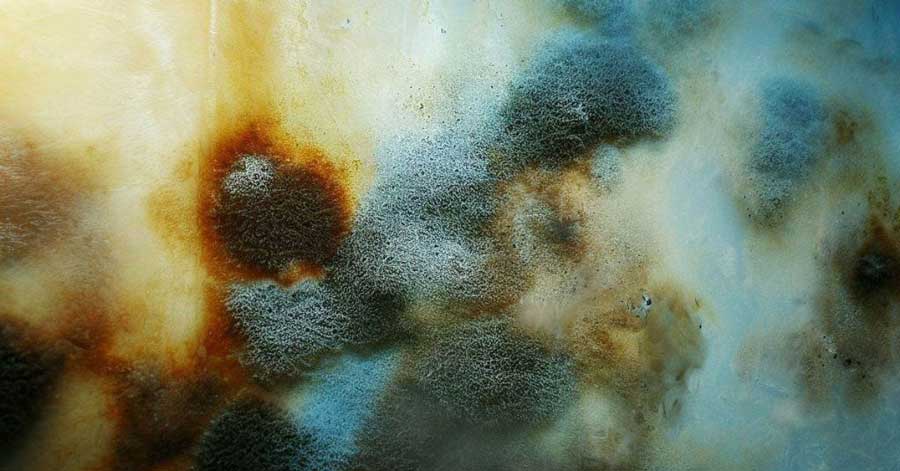
Stop mold in its tracks and save your Liver! Click to claim your free virtual mold inspection and take the first step towards healthier Liver.
Identifying and Addressing Mold in Homes
Detecting mold in homes requires vigilance and thorough inspection of common areas prone to mold growth, such as basements, bathrooms, and HVAC systems. Homeowners should be proactive in identifying and addressing mold issues promptly to minimize their exposure to harmful mold spores. Utilizing mold testing kits, consulting with professional mold remediation services, and adopting preventive maintenance measures can help effectively manage mold in your home and protect you from potential health risks.
Conclusion
As awareness grows regarding the detrimental effects of toxic mold on liver health, proactive measures become increasingly vital. By understanding the mechanisms underlying mold-induced liver damage and adopting preventive strategies, individuals can take proactive steps to safeguard their well-being. Through a combination of vigilance, education, and timely intervention, we can mitigate the risks posed by toxic mold and promote liver health for all.
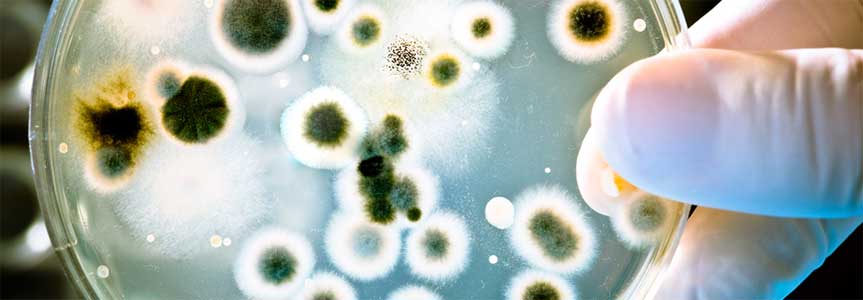
Discover the truth about mold toxicity and its impact on your Liver health – claim your free virtual mold inspection now!
FAQ – Frequently Asked Questions About Mold Toxicity and Liver Damage
Indoor mold can pose a serious health threat to humans and animals alike. Mold typically thrives in damp and humid environments, making bathrooms, laundry rooms, and basements common locations for mold growth.
Exposure to mold can lead to a variety of health issues, from mild allergies to severe respiratory problems. In fact, according to the Centers for Disease Control and Prevention, prolonged exposure to mold can cause asthma or other breathing difficulties, as well as neurological and immune system issues. Additionally, certain types of mold can produce mycotoxins, which can be harmful if ingested or inhaled. To protect your health and prevent mold growth, it's important to address any moisture issues in your home promptly and consistently.
Indoor mold may not always be visible to the naked eye, but it can still pose a serious threat to your health and the structural integrity of your home. The presence of mold can cause respiratory issues, allergic reactions, and even chronic illnesses. This is why it's crucial to conduct regular indoor mold testing to ensure that your home is safe for you and your family. Mold testing can help identify the exact type of mold present in your home and determine the appropriate course of action for removing it, so give us a call today! Whether you're purchasing a new home or just want to ensure the safety of your current living space, indoor mold testing is a simple yet invaluable step in maintaining a healthy and mold-free environment.
Some of the most common symptoms of mold exposure include sneezing, coughing, a runny nose, and sore throat. People with asthma may experience worsening asthma symptoms such as wheezing and difficulty breathing. Individuals with a weakened immune system, such as those undergoing chemotherapy or with HIV, may experience more severe symptoms, including fever and lung infections.
If you suspect that you have mold in your home, it's essential to address the situation immediately to prevent further exposure and potential health issues. Contact us to schedule an inspection today! The presence of mold can cause respiratory issues, allergic reactions, and even chronic illnesses. This is why it's crucial to conduct regular indoor mold testing to ensure that your home is safe for you and your family. Mold testing can help identify the exact type of mold present in your home and determine the appropriate course of action for removing it. Whether you're purchasing a new home or just want to ensure the safety of your current living space, indoor mold testing is a simple yet invaluable step in maintaining a healthy and mold-free environment.
We don’t recommend cleaning up mold yourself due to the possible health problems related to mold spore inhalation, so leave mold removal to the professionals. The process of cleaning up mold can also be very complicated if we need to access your crawlspace of break through infested dry wall. Our mold removal team can also provide superior odor remediation to eliminate the smell, which can also be hard to do by yourself. We value your health over all else, and mold poses a serious health risk which can lead to respiratory problems more severe problems. We bring the necessary safety equipment and tools to help you.
If you smell a moldy odor or see signs of mold, you call us for the best mold removal services.
Typical homeowner insurance and flood insurance will cover mold removal if the spores started as part of a disaster that is already covered under the policy. If the mold issue was preexisting, it likely will not be covered under most policies. We will work with your insurance company to get you the best price possible and we will help explain any policy terms that are unfamiliar to you. Our first priority is providing a fresh start to the customer, so we do our best to explain every element of the restoration job and keep you informed of your best options. Call us for superior customer service in mold remediation!









Subscribe to our weekly newsletter and learn how to keep your home Mold Free.
© 2024 All Rights Reserved